Official Video Spotlight
 YouTube
For years, outsiders dismissed K-Pop as a fleeting teenage obsession. Two landmark developments in November 2026 just retired that stereotype for good.
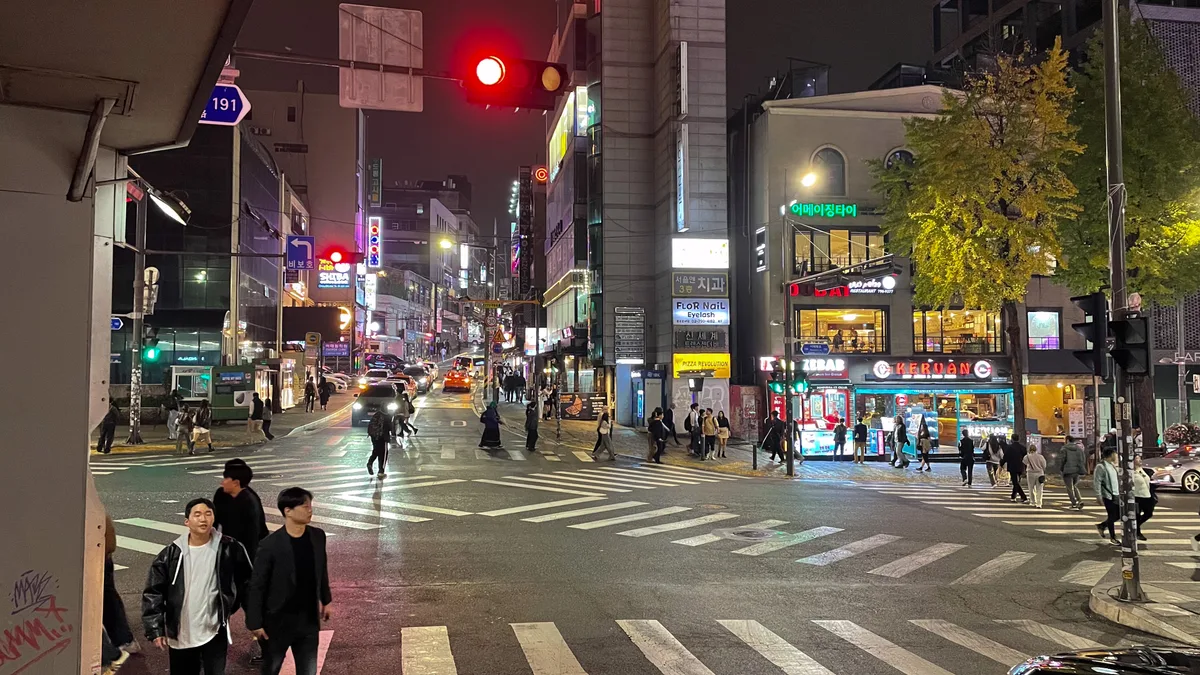
First, South Korea officially surpassed 20 million annual foreign tourists for the first time in its history—with travelers flying in specifically for K-Pop choreography classes, cultural hubs, regional excursions beyond Seoul, and Korean language immersion. Second, consumer data highlighted by Billboard revealed that fans aged 45 to 54 have emerged as one of the most influential purchasing groups behind deluxe physical box sets and international concert travel.
From Youth Subculture to Institutional Economy
South Korea’s cultural policymakers are already adapting to this shift. Plans unveiled for FANOMENON 2027—envisioned as Korea’s global festival counterpart to Coachella—flip the traditional award model by honoring global fandoms themselves based on measurable cultural and community impact.
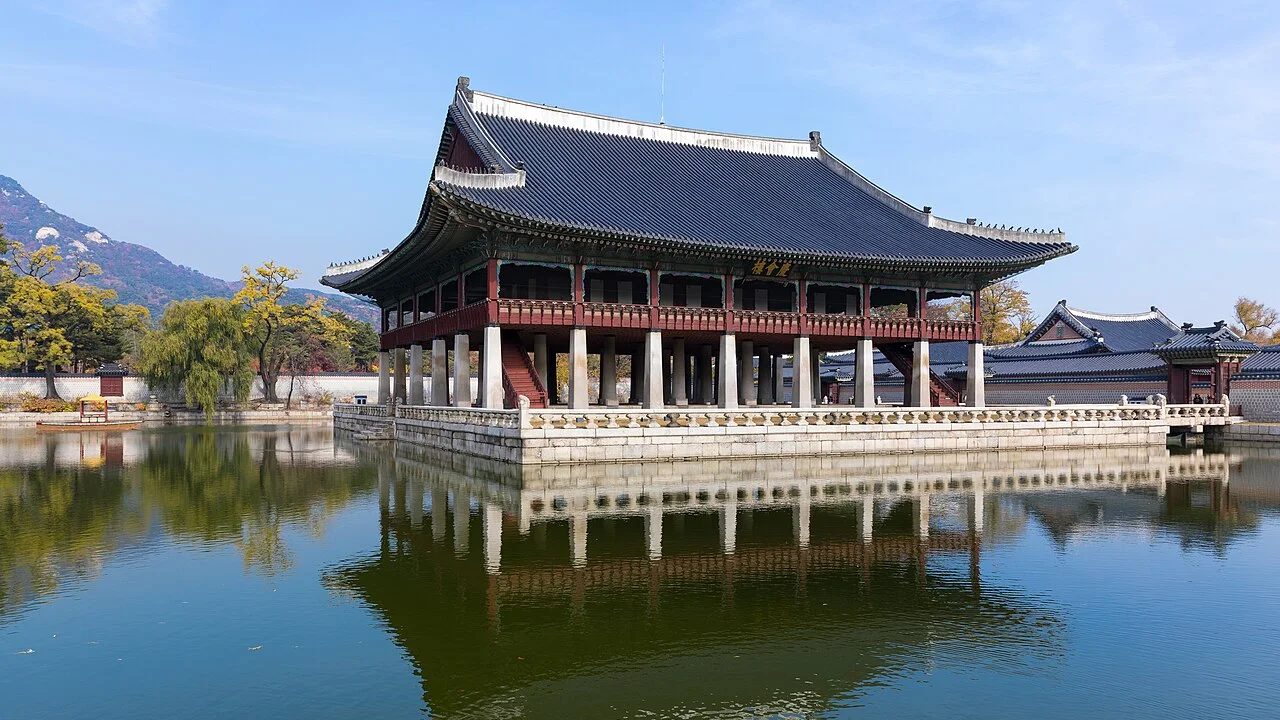
- Tourism Beyond Seoul: Visitors drawn initially by music videos and dramas are now exploring regional cities, local food, and heritage landmarks across the country.
- Language as a Cultural Bridge: Global enrollment in Korean language courses continues to climb, turning pop fandom into long-term cultural literacy.
- Multi-Generational Spending Power: When teenagers, young professionals, and affluent 45–54 fans attend the same stadium tour, K-Pop transforms from a music trend into a permanent global lifestyle economy.
Frequently Asked Questions
How many foreign tourists visited South Korea as of November 2026?
South Korea crossed the historic milestone of 20 million year-to-date foreign tourists in November 2026, with K-Pop choreography classes, cultural hubs, and regional travel playing a major role.
Why are 45–54-year-old K-Pop fans economically important?
According to Billboard data, fans aged 45–54 have higher disposable income and actively spend on deluxe physical album box sets and international concert travel, proving K-Pop has grown into a multi-generational economy.