Official Video Spotlight
 YouTube
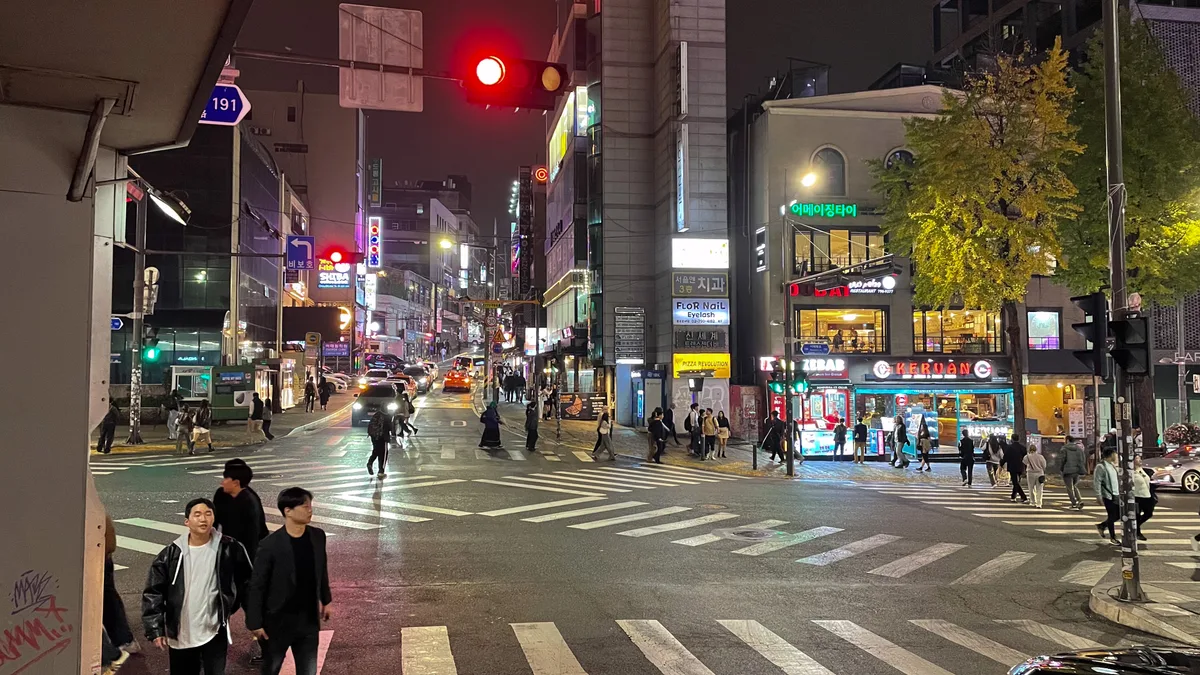
When international listeners think of Korean music, stadium choreography and glossy idol teasers naturally come first. Yet underneath that blockbuster canopy sits a vibrant, fiercely creative Korean independent music ecosystem—from Hongdae live clubs to boutique singer-songwriter labels—that is now building its own global export pipeline.
Collective Power Through ‘Kindy Lounge’
Throughout November 2026, the Korean Music Label Industry Association (KMLIA) has used its Kindy Lounge platform to spotlight autumn showcase schedules and indie solo concerts from labels such as Mound Media and Your Summer.
Even more significantly, industry forums held in early November focused directly on expanding independent music rights overseas—addressing the exact infrastructure gap that historically kept Korean indie acts from monetizing international streaming booms.
Why K-Indie Matters for K-Pop’s Future
Every healthy global music market needs a deep underground. Many of today’s most celebrated K-Pop songwriters, session musicians, and producers cut their teeth in Seoul’s indie circuit. By securing global copyright networks and international touring pathways for indie labels, South Korea isn’t just exporting idols—it is exporting an entire multi-genre K-Music culture.
Frequently Asked Questions
What is KMLIA's Kindy Lounge?
Kindy Lounge is an initiative by the Korean Music Label Industry Association (KMLIA) that spotlights Korean independent artists, autumn showcases, and indie solo concerts while supporting global expansion.
Why is global music rights expansion important for Korean indie labels?
Unlike major K-Pop corporations with overseas offices, indie labels need collective copyright management and international distribution networks to capture streaming and licensing revenue from global listeners.