Official Video Spotlight
 YouTube
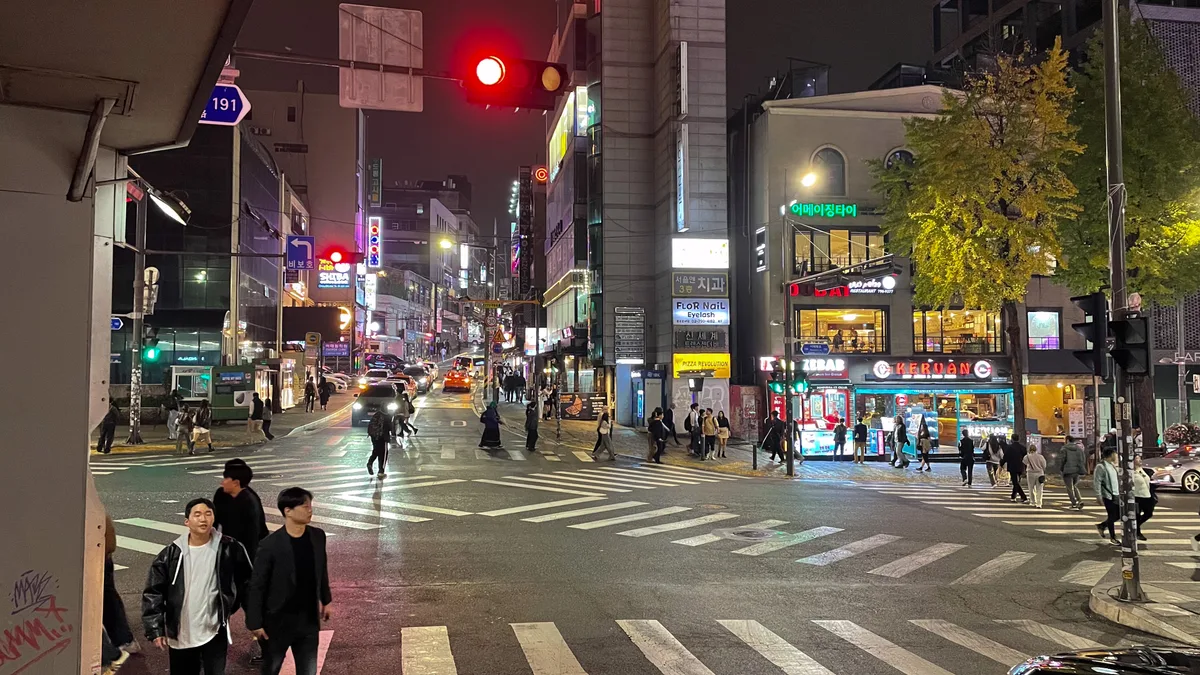
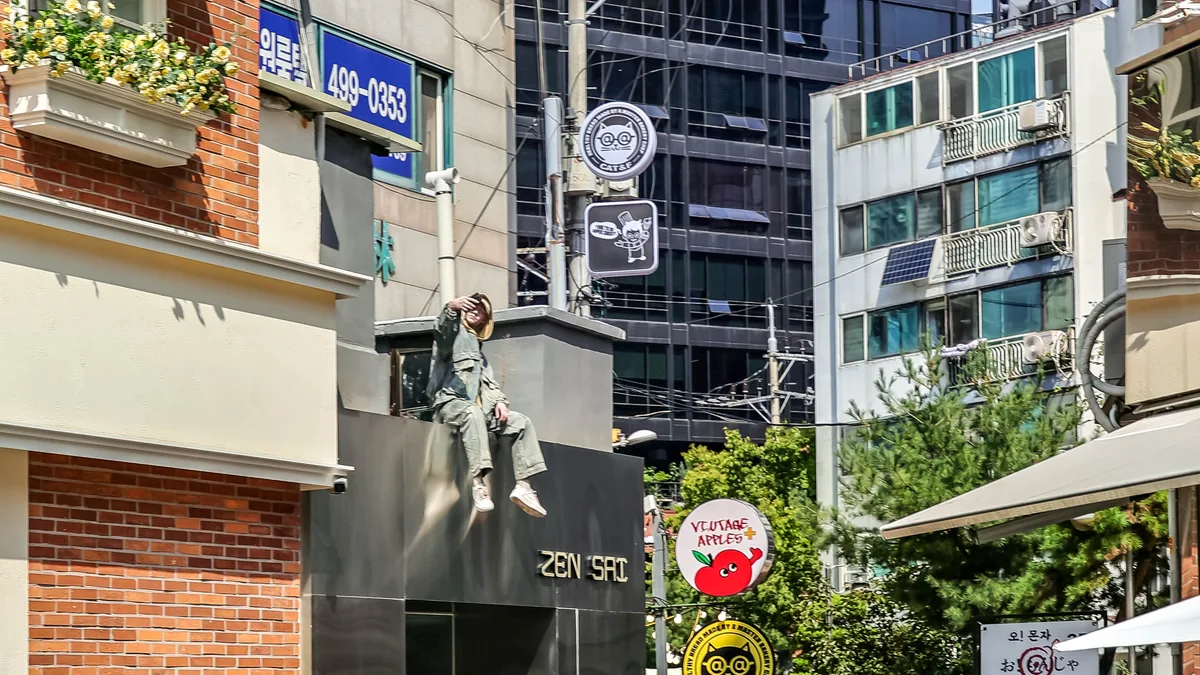
Walk down Yeonmujang-gil in Seongsu-dong or past a celebrity-packed beauty flagship in Gangnam this November, and you can feel the sheer commercial velocity of K-Pop’s halo effect. When a top idol or actor steps into a Seoul beauty pop-up, serums sell out globally within hours. Yet behind that export boom lies a fast-growing shadow economy: sophisticated overseas counterfeit networks mimicking Korean skincare, cosmetics, and streetwear.
Turning Pop-Up Culture Into an Anti-Counterfeit Frontline
Rather than relying on dry legal notices that young shoppers ignore, South Korea’s Intellectual Property Office (KIPO) met Gen-Z consumers on their own turf. By staging interactive “K-Brand Guardian Angels” pop-up campaigns right in the heart of Seongsu-dong—Seoul’s undisputed capital of experiential retail—regulators transformed intellectual property enforcement into a hands-on cultural event.
How Korea Protects Its Soft-Power Exports
The campaign combines three distinctly modern tactics:
- Experiential education in Seongsu-dong: Visitors and international tourists compare authentic K-Beauty products against near-identical counterfeits side by side, learning how to verify seals and packaging.
- Creator-led awareness: Collaborating with trusted beauty creators on YouTube (such as KIPO’s “Counterfeit K-Beauty Cosmetics OUT” series) reaches global shoppers directly inside the algorithms where fake listings often thrive.
- Digital reporting & authentication tech: Pairing consumer-friendly reporting portals with government-backed anti-counterfeiting marks helps independent Korean beauty and fashion labels—many of them small-to-mid-size startups—defend their trademarks abroad.
In 2026, protecting K-Culture isn’t just about guarding music charts; it is about defending the physical trust of every lipstick, hoodie, and skincare bottle carried home from Seoul.
Frequently Asked Questions
What is KIPO's 'K-Brand Guardian Angels' campaign in Seongsu-dong?
It is an interactive public campaign by South Korea's Intellectual Property Office (KIPO) in Seoul's Seongsu-dong trend district that uses pop-up experiences and digital reporting tools to combat counterfeit K-Beauty and K-Fashion goods.
Why are counterfeit K-Beauty products a growing concern in 2026?
Surging global demand fueled by K-Pop idol endorsements and viral pop-up stores has attracted sophisticated overseas counterfeit operations that threaten both consumer safety and Korean brand equity.